Guide
How to Spot Misinformation in Celebrity News
A practical checklist for telling real reporting from rumour, engagement bait and fabrication — before you share it.

Celebrity news moves fast, and speed is exactly the condition in which misinformation thrives. A single unverified claim can travel around the world before anyone checks whether it is true, and by then the correction never catches up. You do not need special training to protect yourself from this. You need a short, repeatable set of habits — a checklist you run before you believe or share anything. Here is one that holds up.
Ask where it actually came from
The first question is always the source. A claim is only as good as the place it originated, so trace it back. Is it reported by an established outlet with a reputation to protect, or is it an anonymous post with no accountability? Does the story cite a named, on-the-record source, or does it lean entirely on "sources say" and "reportedly" without anyone attaching their name to it? Vague sourcing is not automatically false, but it is a signal to slow down rather than speed up.
If a claim appears in only one place and everyone else is just repeating that one place, you have one source, not many.
Watch for the echo effect, too. A story can appear in dozens of places and still trace back to a single original claim that everyone is simply repeating. Many outlets carrying the same rumour is not the same as many outlets independently confirming it. Follow the links back and see whether they lead to real reporting or just to each other.
Separate fact from framing
A lot of celebrity coverage is technically accurate but wrapped in framing designed to provoke. A headline might pose a dramatic question the article never answers, or imply a conflict the facts do not support. Train yourself to notice the gap between what a piece claims and what it actually proves. If the headline is a bombshell and the article is a shrug, the headline was the product and the facts were an afterthought.
Be especially cautious with claims about private matters: health, relationships, finances. These are the areas where real information is hardest to obtain and where speculation is most likely to be dressed up as reporting. When a story makes a serious claim about someone’s private life, the bar for evidence should go up, not down.
Check the image and the quote
Images and quotes are the easiest things to fake and the most persuasive when faked. A photograph can be old, taken out of context, altered, or entirely synthetic. A quote can be invented, trimmed to change its meaning, or attached to the wrong person. Before you trust a striking image or a damning quote, ask whether you can find it from a reliable original source rather than a screenshot of a screenshot.
- Does a named, reputable outlet carry the same claim, or only anonymous accounts?
- Is there a real, on-the-record source, or only vague attribution?
- Do the "many" reports trace back to a single original claim?
- Does the headline actually match what the article proves?
- Can the image or quote be found from a trustworthy original, in context?
- Is there any chance this is satire, parody or an old story recirculating?
Notice how it is trying to make you feel
Misinformation is engineered to bypass your judgement by triggering a strong emotion — outrage, excitement, disgust. If a story makes you feel an immediate urge to react and share, that feeling is itself a reason to pause. The strongest emotional hooks are often attached to the weakest evidence, because a claim that cannot win on facts has to win on feeling. Giving yourself even thirty seconds before reacting defeats most of this by design.
When in doubt, wait
The single most powerful habit is patience. Real stories get confirmed, clarified or quietly corrected over the following hours and days. Rumours tend to evaporate once people start asking for evidence. You almost never lose anything by waiting to see whether a claim survives contact with scrutiny, and you avoid the small but real harm of helping something false spread.
None of this requires cynicism. Plenty of entertainment reporting is careful, fair and true, and treating everything as a lie is its own kind of mistake. The goal is simply to be a harder target: to ask where a claim came from, whether it is really confirmed, and why it wants you to react so fast. Run that short checklist and you will be wrong far less often — and you will stop being one of the people who, without meaning to, passes the false stuff along.
Keep reading
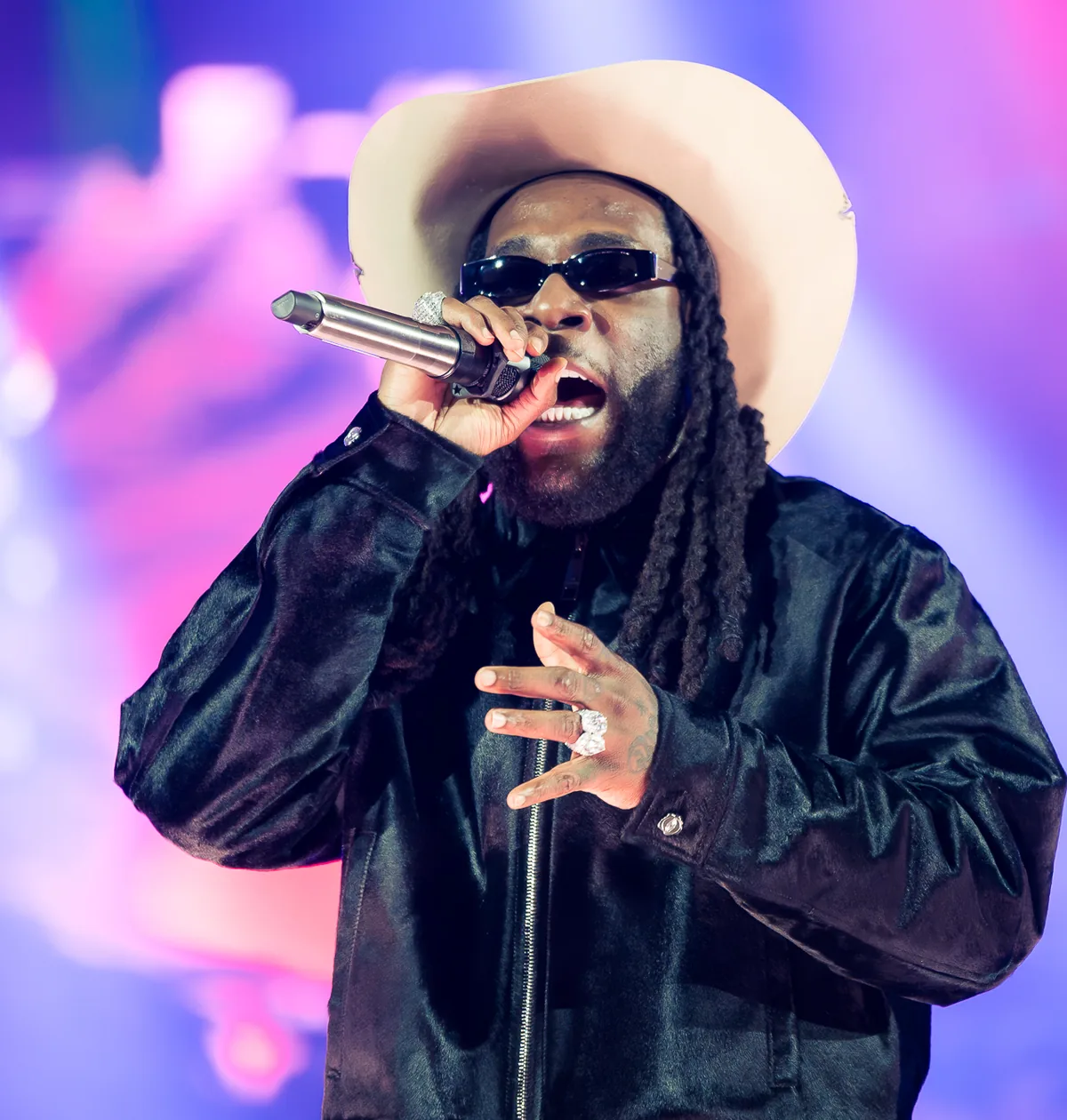
Photo: Nuță Lucian, CC BY-SA 2.0, via Wikimedia Commons
A Lagos Homecoming Reignites the Burna Boy vs Wizkid Debate
Dave closed his tour in Lagos and brought out Burna Boy for “Location” — and Afrobeats’ favorite argument was back.
StarScoop Editors·October 17, 2026
Photo: Chabacano, CC BY-SA 3.0, via Wikimedia Commons
Why Reboots and Reunions Keep Coming Back
Nostalgia is good business, but it is also a creative gamble. A look at why the familiar keeps returning — and when it works.
StarScoop Editors·6 min read
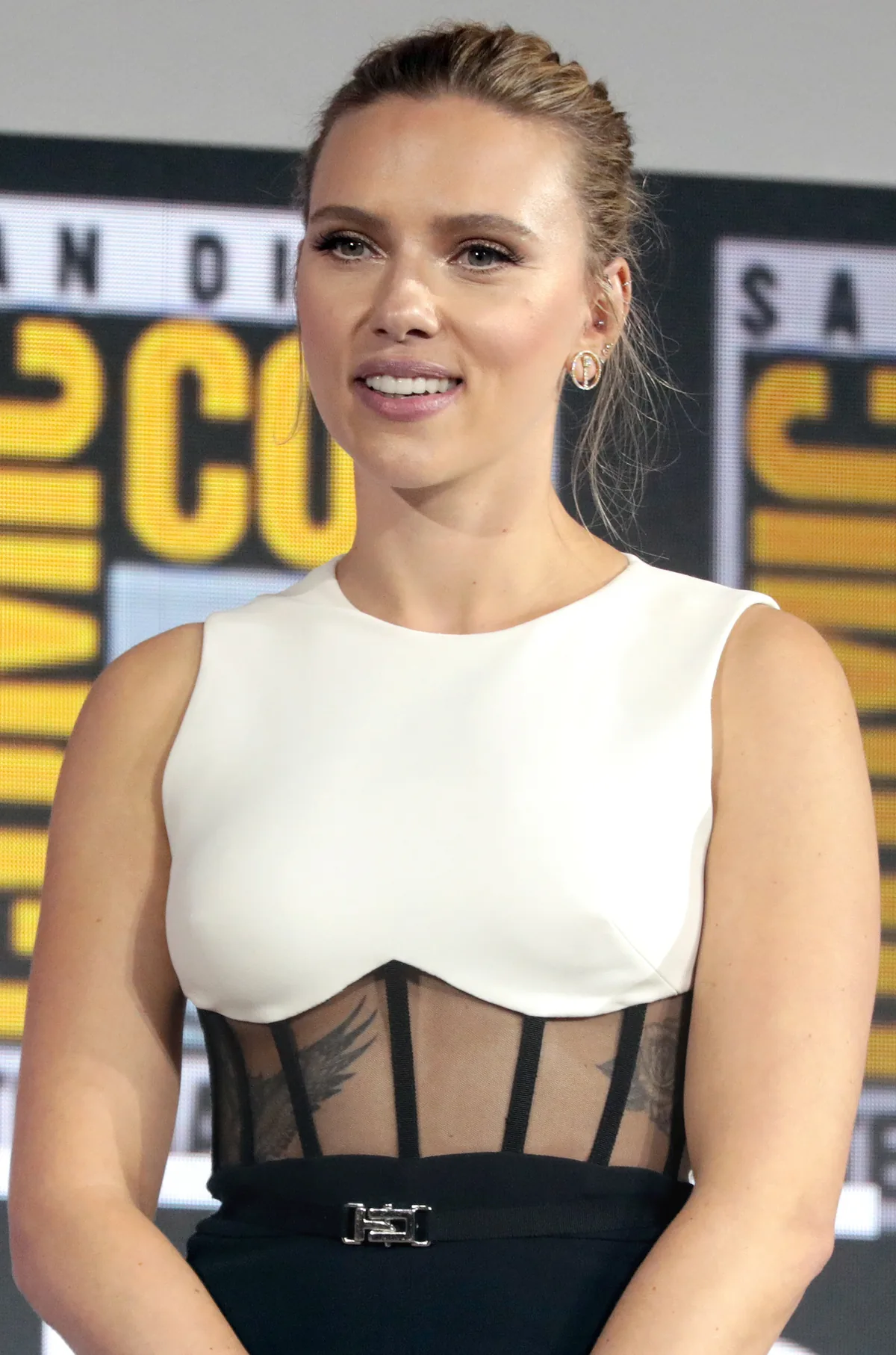
Photo: Gage Skidmore, CC BY-SA 3.0, via Wikimedia Commons
Ari Aster’s Next Film Keeps Growing: Cory Michael Smith Joins Scapegoat
The A24 thriller led by Scarlett Johansson adds another name, with production set to start in November.
StarScoop Editors·October 22, 2026