History
The Red Carpet: A Short History of Fashion’s Biggest Stage
How a strip of carpet became an industry, from early premieres to the modern era of stylists and partnerships.
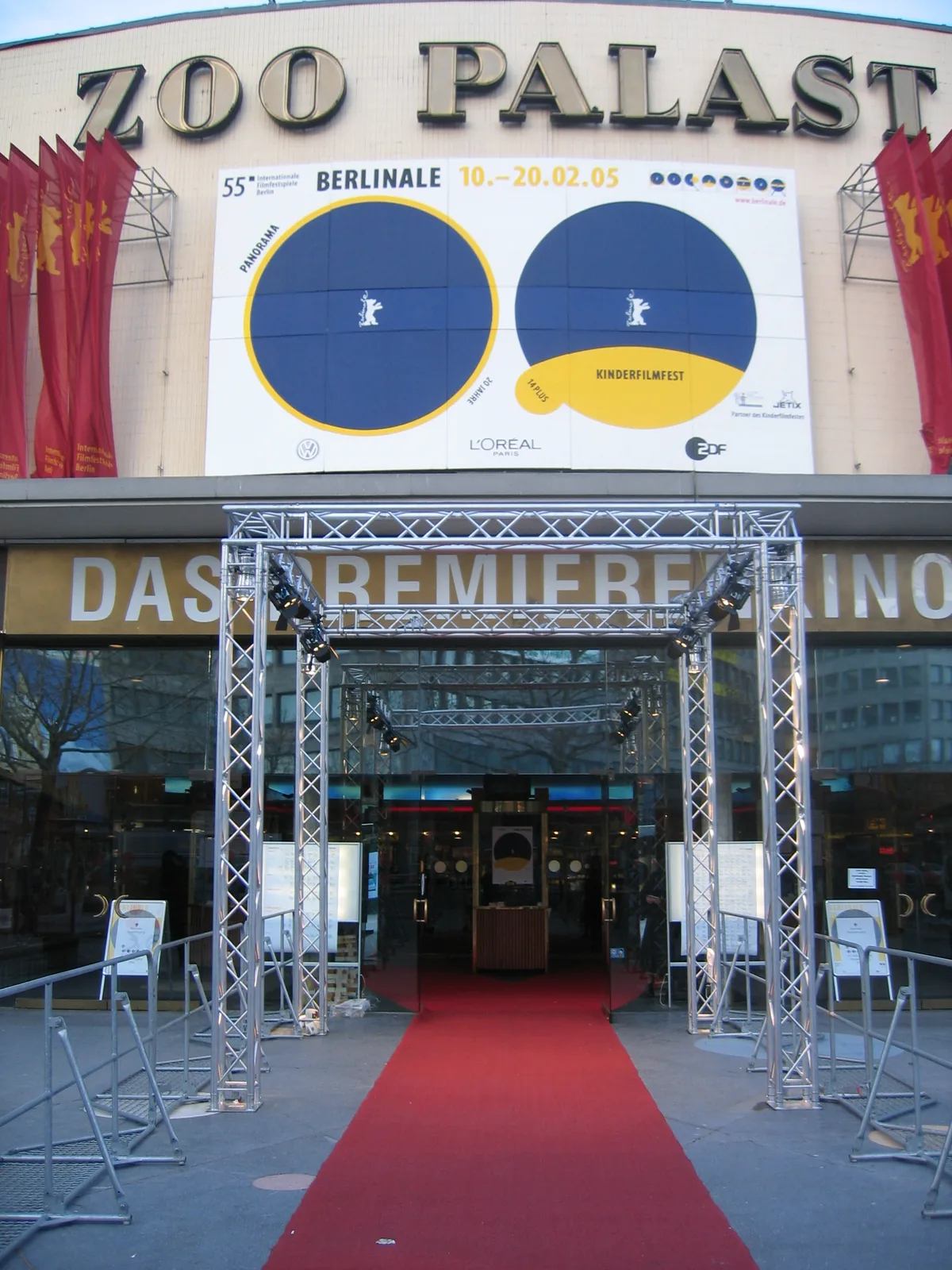
The red carpet is now a genre of its own. There are live streams dedicated to it, critics who cover nothing else, and whole careers built on what happens in the few metres between a car door and a theatre entrance. It did not start that way. The carpet began as a piece of stagecraft and slowly turned into one of the most valuable platforms in fashion. Here is how the stage was built.
A path, then a performance
The idea of rolling out a special walkway to honour important arrivals is ancient, but the modern version grew up alongside the film premiere. Early premieres were spectacles designed to sell a movie, and the arrivals were part of the show. What people wore mattered because the whole point was glamour, but for a long time the clothes were personal choices, pulled from a performer’s own wardrobe or made by a favourite designer rather than assembled by a professional team.
Photography changed the stakes. As images of arrivals spread through newspapers and magazines, a single outfit could be seen by millions of people who would never attend the event. The carpet became a broadcast, and dressing for it became a form of communication rather than just getting dressed up.
The rise of the stylist
For most of the twentieth century, studio wardrobe departments and a handful of designers shaped how stars looked in public. The modern stylist — an independent professional whose job is to plan and source a client’s public wardrobe — is a more recent invention, and it changed everything. Suddenly a red-carpet look was a project with a team behind it: fittings, alterations, jewellery, shoes and a plan for how the whole thing would read in photographs.
A great red-carpet look is rarely an accident. It is a project with a deadline, a team and an audience of millions.
This is why contemporary looks can feel so polished. They are the result of weeks of work, often involving multiple options and last-minute changes. The spontaneity is largely an illusion, and that is not a criticism — it is a craft, with its own specialists and its own rules.
When fashion houses got involved
Fashion brands worked out early that dressing a high-profile person for a major event was advertising money could not easily buy. A gown photographed at the right moment could define a season. Over time this became a formal part of the business: houses lend or create pieces for big nights, and those relationships can grow into long-term partnerships and ambassador roles. The carpet turned into a shop window that the whole world walks past at once.
For designers, the appeal is obvious. For performers, the arrangement can bring access to extraordinary craftsmanship and, increasingly, income. Understanding that these partnerships exist is key to reading the carpet honestly. A look is often a conversation between a person, a stylist and a brand, all of whom want slightly different things from the same photograph.
Themes, archives and the modern era
In recent decades the red carpet has grown more self-aware. Some events now have themes, which turns dressing into a kind of costume challenge and rewards the boldest interpretations. There is also a growing fascination with archive fashion — vintage pieces pulled from a house’s history and worn again years later. Reviving an old design can be a statement about craftsmanship and sustainability, and it gives fashion historians plenty to talk about.
Social media accelerated all of it. A look no longer lives for one news cycle; it is screenshotted, debated and remixed for days. That pressure has pushed some toward safe, flattering choices and others toward swinging for the fences, because a memorable risk travels further online than a tasteful success.
How to look at the carpet
If you want to enjoy red-carpet coverage more, try watching it as a craft rather than a competition. Notice the fit, since tailoring is where the real money and time go. Notice how a colour or silhouette plays against the backdrop and the lighting, because these looks are designed for cameras, not rooms. And remember that behind almost every striking arrival there is a team that planned it, a brand that hoped for it and a photographer who caught it at the right half-second.
The red carpet endures because it does something rare: it puts fashion, celebrity and spectacle in one frame for a moment that everyone can see at once. It started as a way to roll out the stars. It became one of the most watched stages in the world — and knowing how it got there only makes the show more fun.
Keep reading

Photo: Liam Mendes, CC BY-SA 2.0, via Wikimedia Commons
Why Rihanna’s 2012 Victoria’s Secret Set Keeps Getting Rewatched
A fourteen-year-old runway performance is trending again — and the clips still hold up.
StarScoop Editors·October 21, 2026
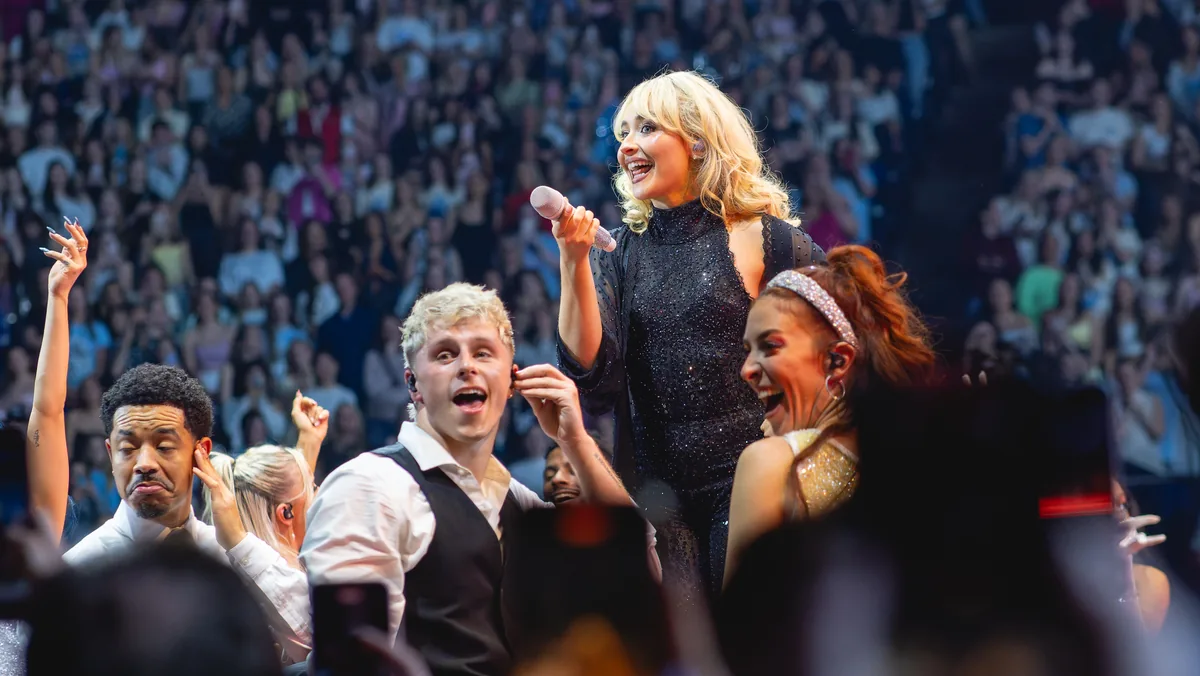
Photo: Raph_PH, CC BY 2.0, via Wikimedia Commons
Sabrina Carpenter’s Academy Museum Gala Look, Decoded
A custom Giorgio Armani Privé gown at the house’s own gala — and a clinic in how red-carpet partnerships work.
StarScoop Editors·October 17, 2026
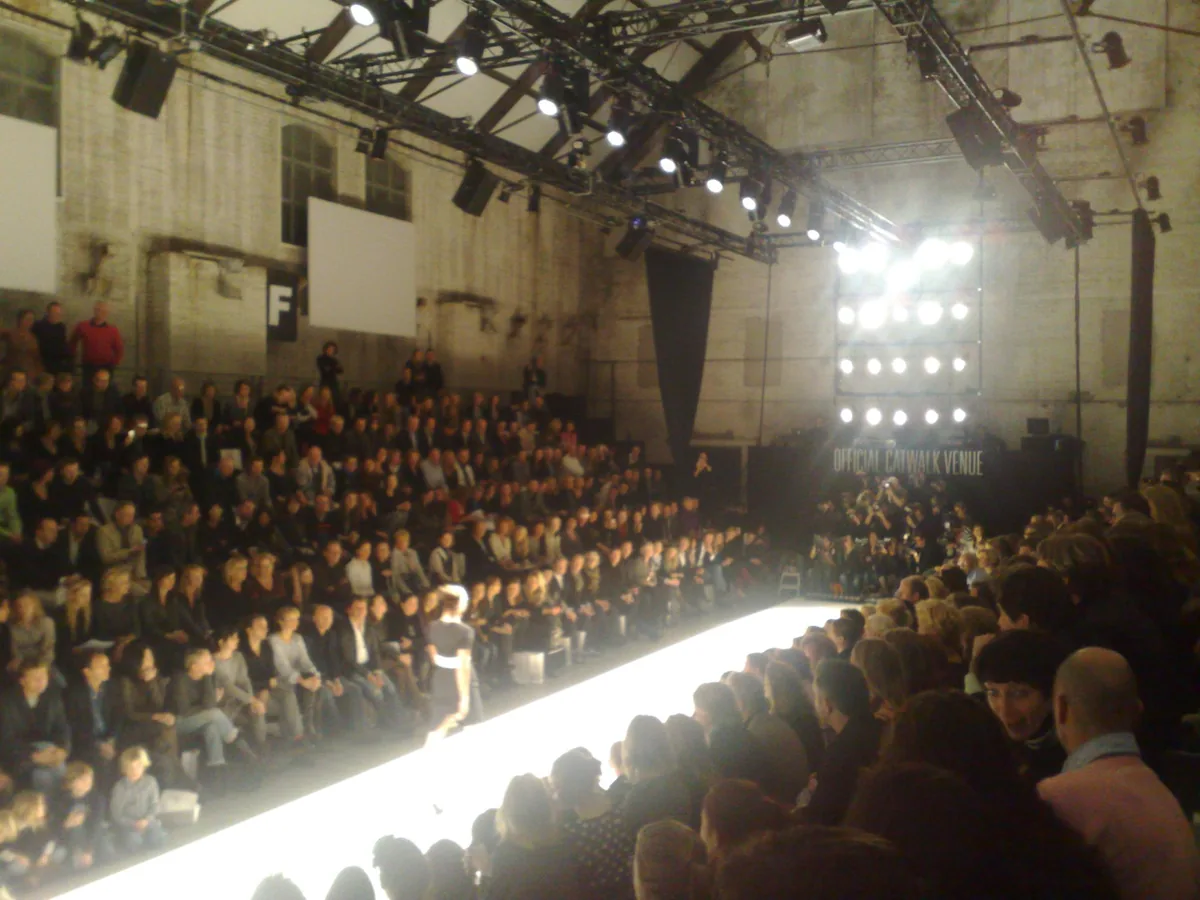
Photo: Michiel, CC BY 2.0, via Wikimedia Commons
The Celebrity Style Glossary: Terms Worth Knowing
Couture, capsule, archive, quiet luxury — a plain-English glossary for reading fashion coverage without the jargon.
StarScoop Editors·6 min read